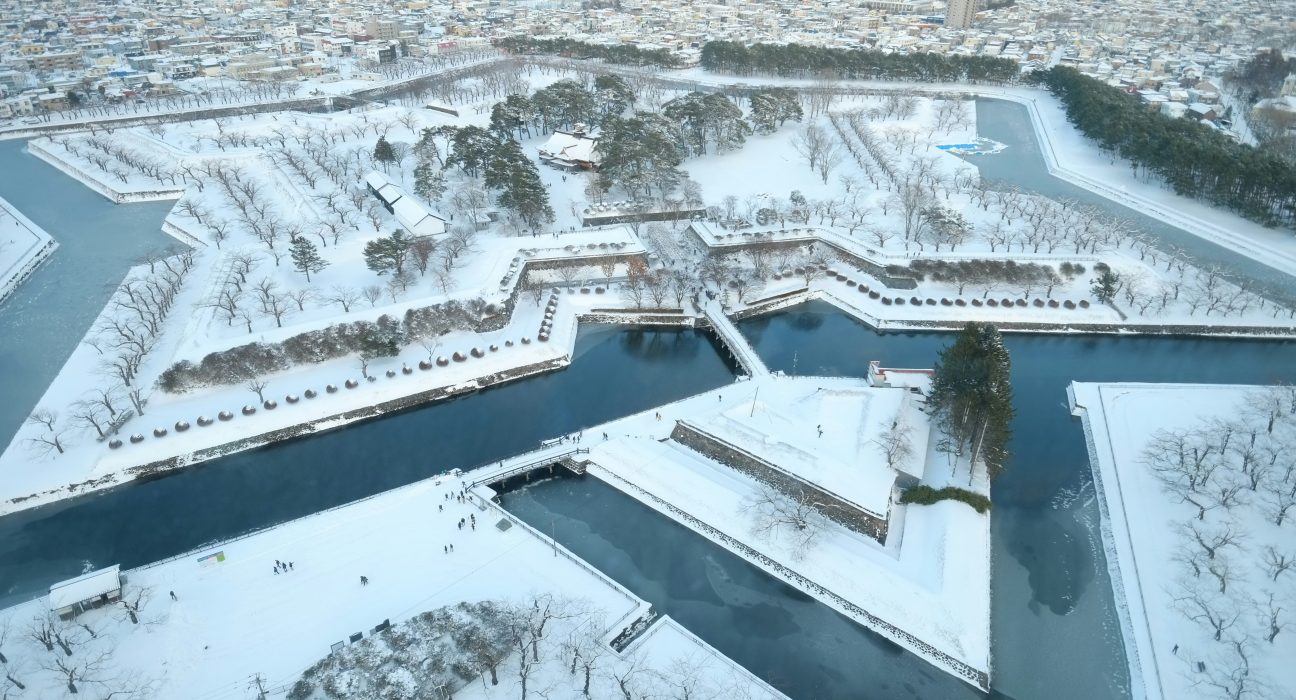
Japan’s northernmost island, Hokkaido, is often associated with snow-covered landscapes, wide open plains, and a slower pace of life. Beyond its dramatic scenery, the region has quietly emerged as one of Japan’s most compelling examples of how sustainability, community, and nature can coexist. From protected wilderness and indigenous traditions to renewable energy innovation, Hokkaido shows that sustainable living is not limited by climate, even in one of the country’s coldest regions.
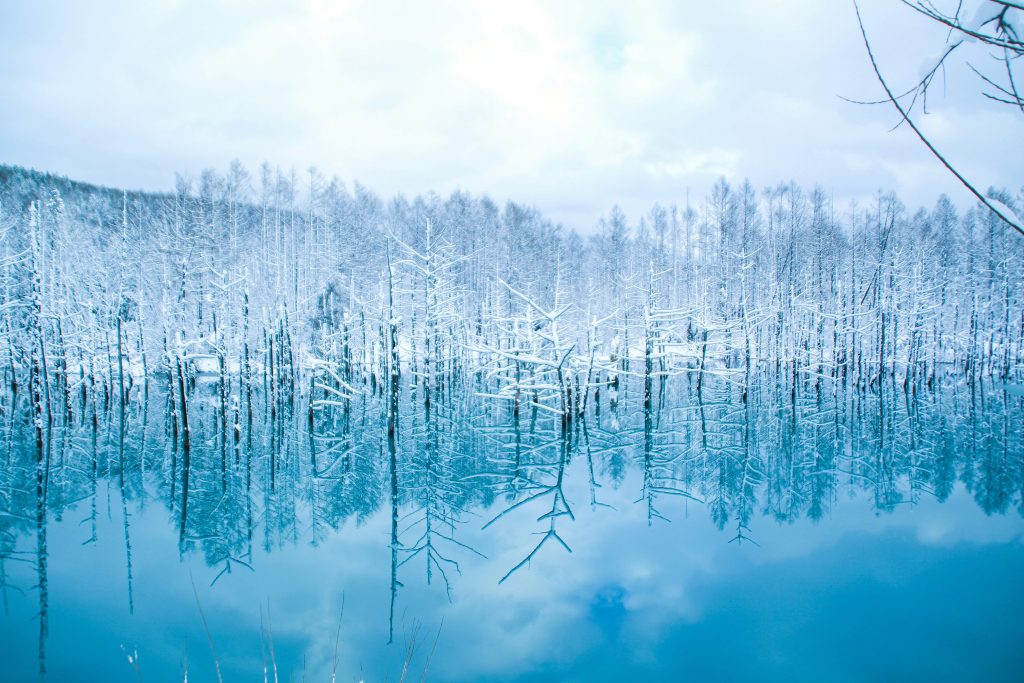
Preserving One of Asia’s Last Great Wildernesses
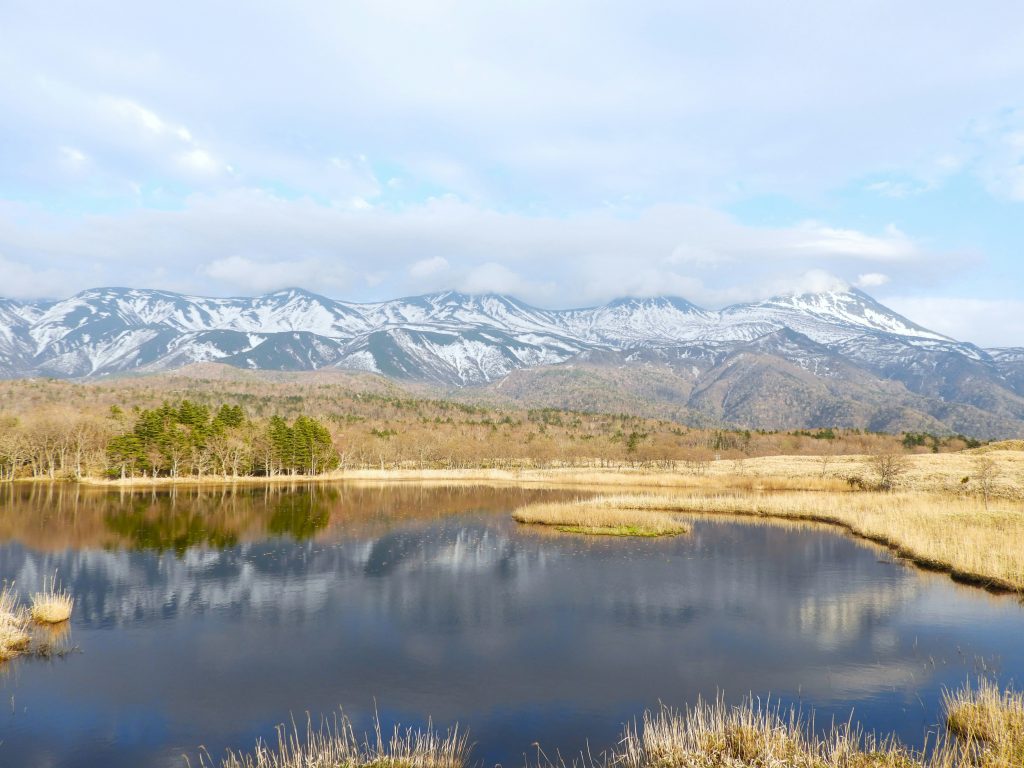
Hokkaido is home to some of the most intact natural landscapes in Asia. Vast national parks such as Daisetsuzan National Park and Shiretoko National Park protect alpine ecosystems, volcanic terrain, and coastal habitats that support rare wildlife.
Shiretoko, recognised as a UNESCO World Heritage Site, is often cited as one of the world’s strongest examples of long-term harmony between people and nature. Strict conservation policies limit visitor numbers, regulate access to sensitive areas, and support ongoing wildlife research. Importantly, eco-tourism here is designed to benefit local communities, ensuring that conservation creates livelihoods rather than displacement.
Indigenous Knowledge and Cultural Continuity
Sustainability in Hokkaido is not only about environmental protection. It is also cultural. The Ainu, Hokkaido’s indigenous people, have long lived by principles that emphasise respect for nature and balance with the environment.
Their traditions, crafts, rituals, and oral storytelling are increasingly recognised as part of the island’s cultural heritage. Today, Ainu-led cultural centres and community initiatives form a growing strand of responsible tourism, offering visitors deeper insight into place-based knowledge systems that value reciprocity rather than extraction. This cultural dimension adds meaning to travel experiences, shifting them away from sightseeing and toward understanding.
A Cold-Climate Leader in Clean Energy
Hokkaido is also positioning itself as a leader in renewable energy. In 2023, more than 40 percent of the island’s electricity came from renewable sources, nearly double Japan’s national average. Its geography and climate have encouraged creative approaches to low-carbon energy production.
Harsh winters have led to innovations such as snow-based “free cooling” systems, which reduce the need for energy-intensive air conditioning. The region also sits atop volcanic activity, making geothermal power a natural fit. One notable example is the Minami-Kayabe Geothermal Power Plant, Japan’s largest binary-cycle geothermal facility. It generates electricity from lower-temperature geothermal resources while minimising environmental impact.
Alongside geothermal power, wind and solar projects continue to expand, reinforcing Hokkaido’s role as a testing ground for sustainable energy solutions suited to northern climates.
Experiencing Balance Through Travel
What makes Hokkaido distinctive is how these elements come together on the ground. Local communities, indigenous wisdom, and modern technology work side by side to support livelihoods without exhausting natural systems. Visitors encounter this balance through everyday experiences, whether hiking volcanic trails, soaking in geothermal onsens, visiting rural farmstays, or sharing meals made from locally grown produce.
Hokkaido invites travellers to slow down and observe how sustainability functions as a lived practice rather than a label. In doing so, it offers a quiet but powerful reminder that meaningful travel is not about consuming landscapes, but about learning how to live in balance with them.
Sources:
“Hokkaido leads Japan in renewable energy generation with over 40% from renewables in 2023.” The Japan Times.
“FY 2023 Energy Supply and Demand Report (Preliminary Report).” Ministry of Economy, Trade and Industry (METI).