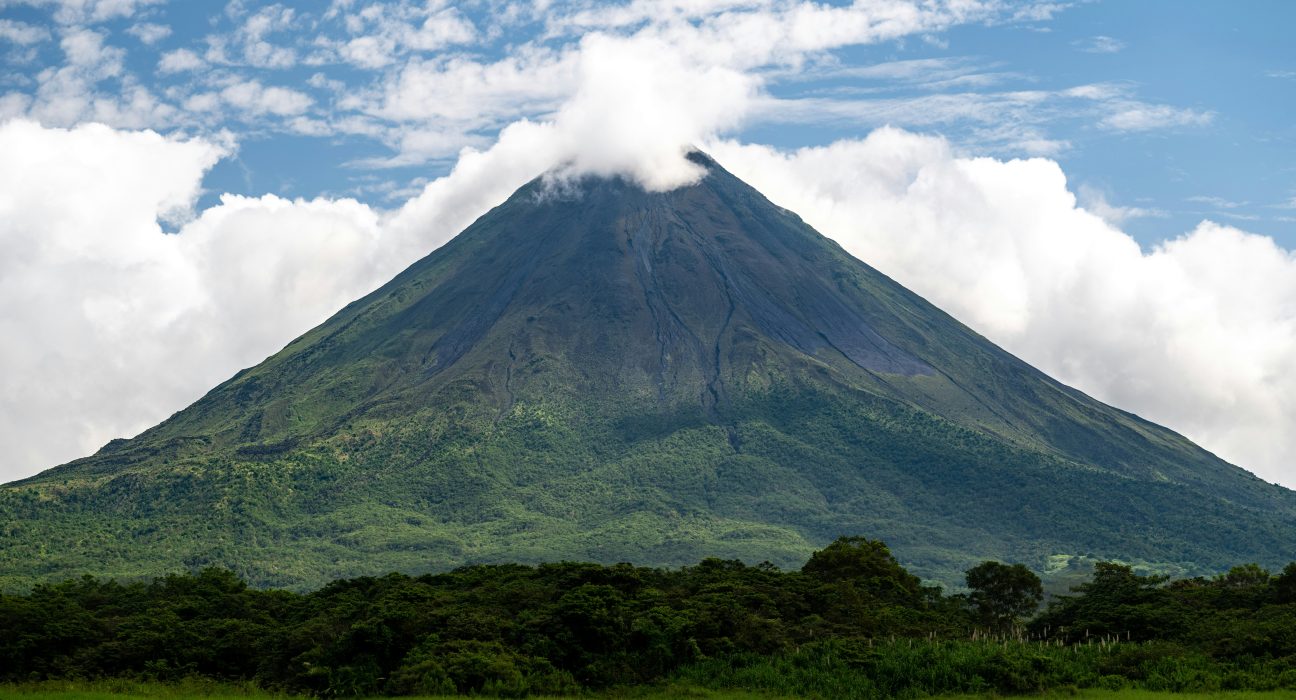
Often cited as one of the world’s most sustainable travel destinations, Costa Rica has spent decades aligning environmental protection with economic development. Nearly all of its electricity is generated from renewable sources, and around a quarter of the country’s land is protected as national parks, biological reserves, and wildlife corridors. This long-term commitment has shaped a tourism model that prioritises conservation, education, and community participation.
Rather than treating sustainability as a trend, Costa Rica has embedded it into national policy, land management, and everyday life. For travellers, this translates into experiences that feel both immersive and responsible, without sacrificing comfort or access.
Biodiversity as a National Asset
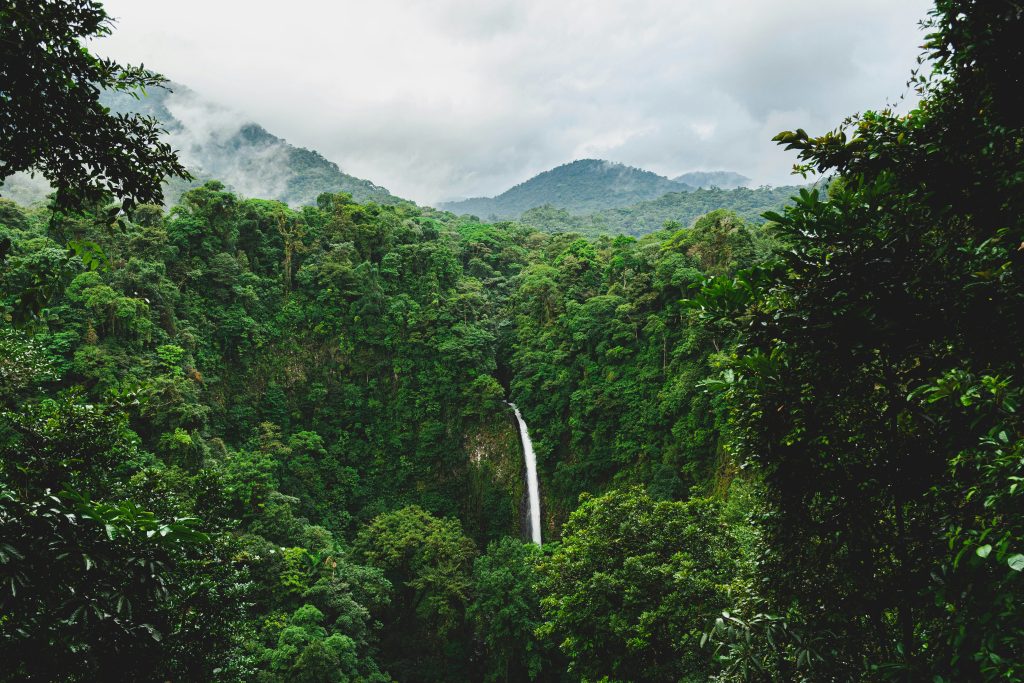
Despite its relatively small size, Costa Rica is one of the most biodiverse countries on Earth. Rainforests, cloud forests, mangroves, and coastal wetlands support hundreds of species of birds, mammals, reptiles, and amphibians, many of which are endangered or endemic.
Protected areas such as Monteverde Cloud Forest and Corcovado National Park play a critical role in safeguarding these ecosystems. Tourism is carefully managed through visitor limits, trained guides, and conservation fees that directly fund habitat protection and scientific research.
Activities like guided rainforest walks, birdwatching tours, and wildlife monitoring programmes allow visitors to engage with nature without disrupting fragile environments. In this way, tourism becomes a tool for preservation rather than exploitation.
Community-Led and Low-Impact Tourism
Sustainability in Costa Rica extends well beyond protected landscapes. Across the country, eco-lodges, organic farms, and community-run tourism initiatives offer alternatives to large-scale resort development. These operations often rely on renewable energy, water conservation systems, and low-waste practices, while sourcing food and labour locally.
For travellers, this means staying in places that reflect local culture and landscapes, rather than insulated tourist enclaves. Farm visits, small-group cultural tours, and cooperative-run lodgings allow visitors to contribute directly to the local economy, strengthening rural livelihoods and preserving traditional knowledge.
Policy, Education, and Long-Term Vision
Costa Rica’s success is underpinned by strong governance and public investment. The country has prioritised environmental education, reforestation, and research for decades, creating policies that support renewable energy, biodiversity protection, and circular economy practices.
These efforts have helped reverse deforestation, expand forest cover, and position Costa Rica as a testing ground for sustainable development strategies that other nations now study and adapt. Importantly, sustainability here is treated as an evolving process, shaped by data, community feedback, and environmental science.
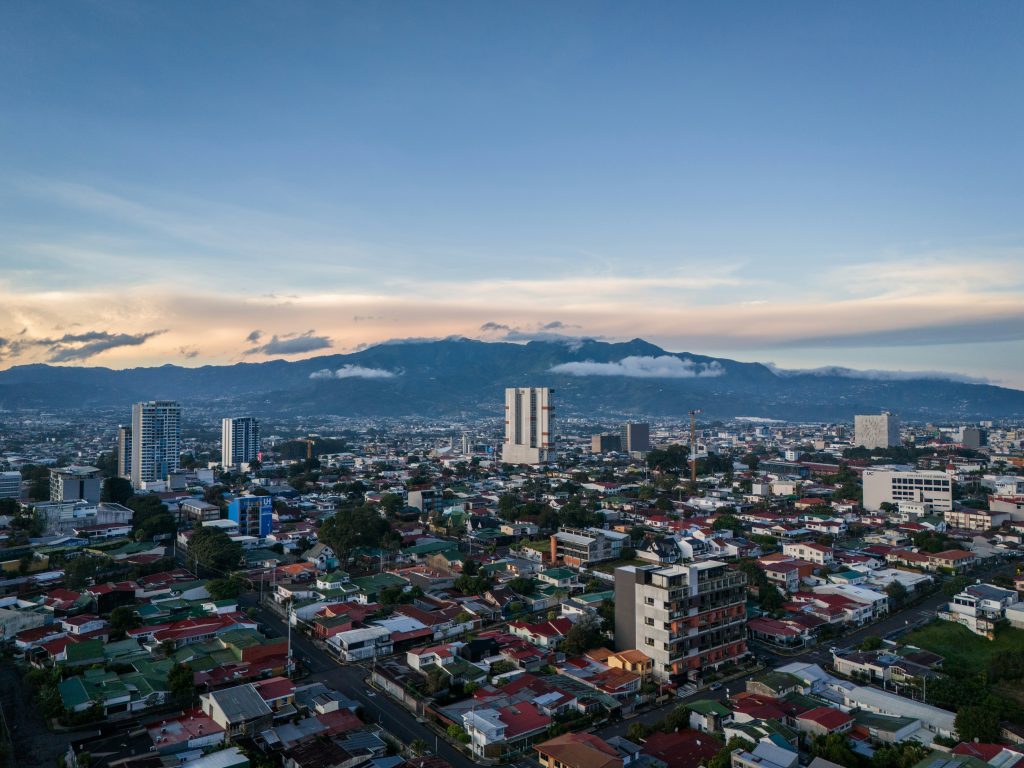
Travelling Where People and Nature Thrive Together
What sets Costa Rica apart is not just its scenery, but the coherence of its approach. Natural beauty, cultural engagement, and environmental policy reinforce one another, creating a travel experience rooted in balance rather than excess.
Visitors can hike through dense jungles, relax on quiet beaches, or learn about sustainable agriculture, all while experiencing a country that has chosen to grow without exhausting its natural resources. Costa Rica shows that green travel is not about limitation, but about designing systems where people and nature can thrive together.
Sources:
Costa Rica Tourism Board (ICT).
Costa Rica and IRENA Sign Partnership to Advance National Decarbonisation Plan. International Renewable Energy Agency (IRENA).