
Peak Energy has signed a multi-year agreement with Jupiter Power for up to 4.75 GWh of sodium-ion battery energy storage systems. The first phase begins with about 720 MWh scheduled for delivery in 2027. The remaining capacity may be deployed between 2028 and 2030 under a reservation clause.
The full value of the contract could exceed USD 500 million. This makes it one of the largest known commitments to sodium-ion battery systems in the stationary energy storage market.
Sodium-ion technology is gaining momentum as an alternative to lithium-ion for grid-scale use. Sodium is more abundant and faces fewer supply chain constraints. This makes it suitable for large, long-term energy storage projects where cost and availability matter.
Peak Energy’s system uses a fully passive cooling design that eliminates pumps, fans, and most auxiliary power requirements. The company says this can reduce maintenance needs and improve long-term performance. It also reports potential improvements in cell degradation over 20 years.
For Jupiter Power, the partnership represents a strategic investment in next-generation battery chemistry for utility-scale projects. The agreement sends a broader signal to the market that sodium ion is ready to move from pilot deployments into larger commercial use.
If delivered on schedule, this project could help accelerate the adoption of sodium-ion storage in the United States. Market observers will be watching manufacturing timelines, deployment updates, and real-world performance in the coming years.
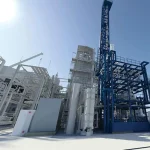
Image courtesy of Peak Energy.
Source:
PR Newswire