
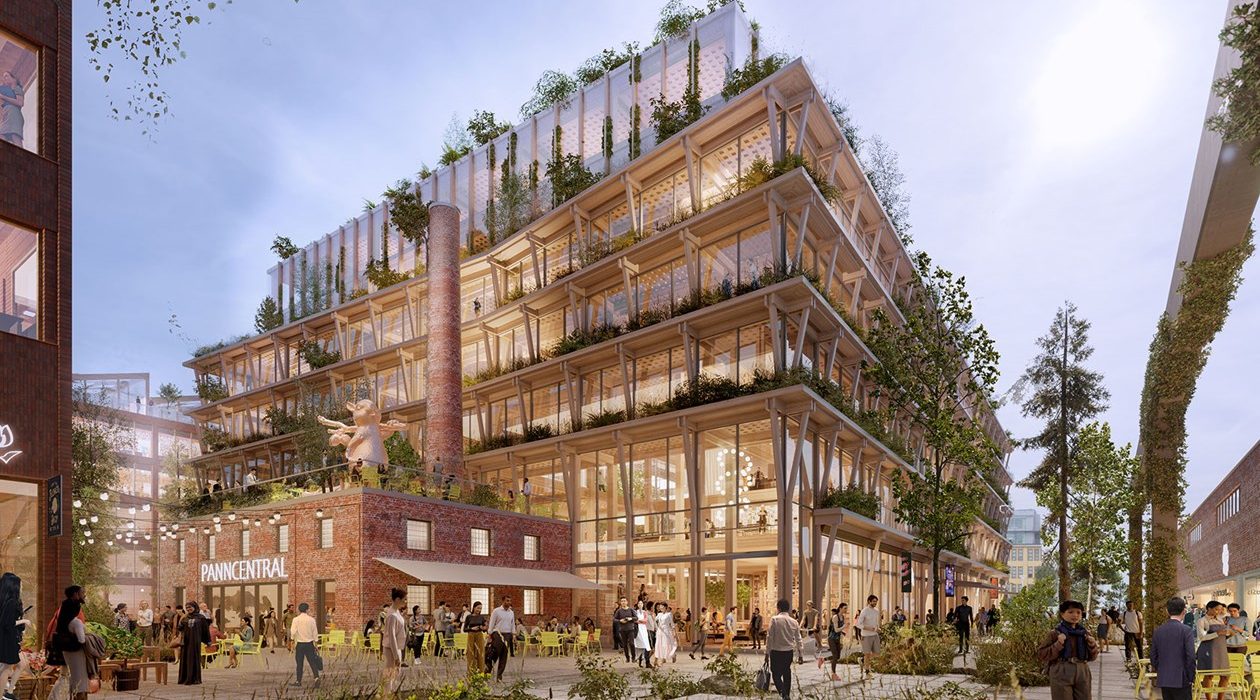
Stockholm Wood City is one of the most ambitious timber-construction projects ever proposed. Located in the Sickla district just south of central Stockholm, it is planned to become the largest urban development built primarily from wood. The project is led by Atrium Ljungberg and designed by Henning Larsen Architects together with White Arkitekter. When complete, the development will span about 250,000 square metres and include around 2,000 homes, 7,000 office spaces, and a full range of shops, restaurants, and community facilities. Construction is scheduled to begin soon, and the first buildings are expected to be completed around 2027.
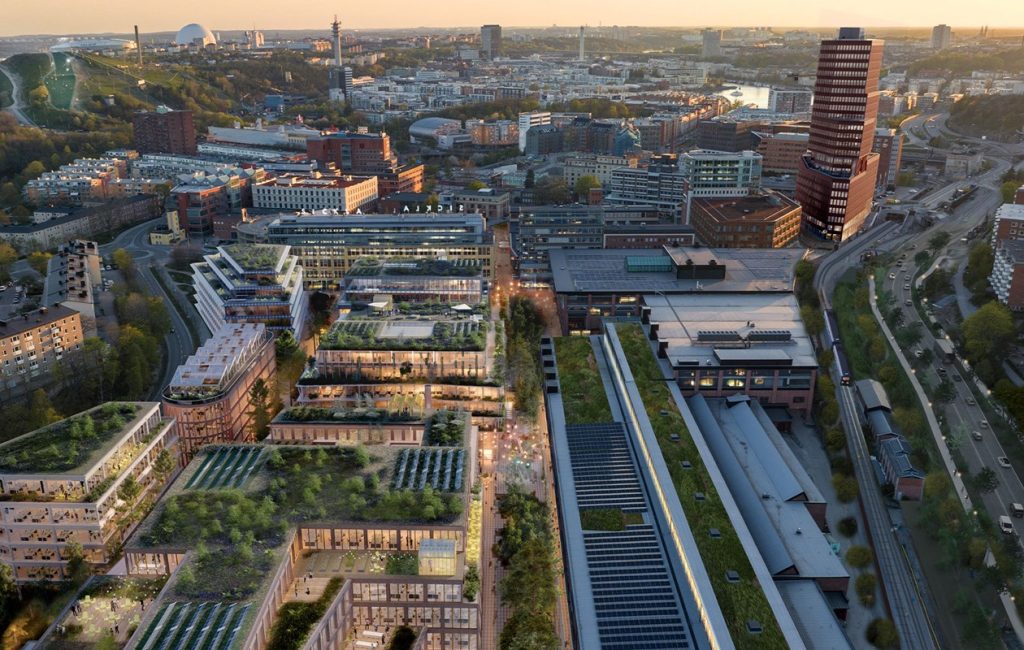
The idea behind Stockholm Wood City is to show that large-scale urban districts can be built using timber as the main structural material. Modern engineered wood products such as cross-laminated timber and glulam offer high strength while storing carbon, making them an effective alternative to concrete and steel. Early studies from the developers suggest that the use of timber could cut the embodied carbon of construction by roughly 40 percent. Timber construction is also cleaner, quieter, and faster, which is valuable in dense city settings.
Beyond the environmental benefits, the project promotes a healthier living environment. Wood interiors help regulate humidity and create a warm visual atmosphere. Researchers have suggested that natural materials can contribute to reduced stress and improved well-being. The district plan includes daylight access, green roofs, and generous landscaped areas, aiming to create a setting that brings nature closer to everyday life.
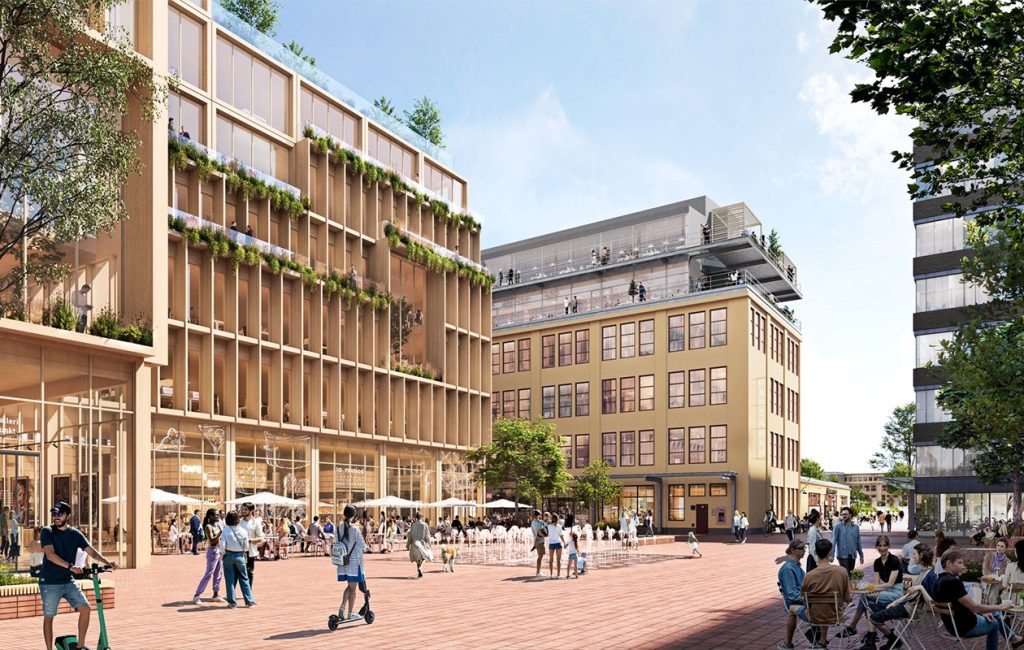
Stockholm Wood City is designed as a complete neighbourhood where people can live, work, and spend their free time without relying heavily on cars. The mixed-use planning creates a walkable district that places homes, offices, and public amenities within short distances. Atrium Ljungberg has committed to becoming climate neutral by 2030 and views this project as a major step in that direction.
While the scale of the project is inspiring, there are important challenges. The long-term sustainability of mass timber depends on responsible forest management and careful sourcing to protect biodiversity. Fire safety, moisture control, and maintenance standards must be consistently applied so the buildings remain safe and durable over time. The economics of timber supply chains also need to remain stable to support continued development at this scale.
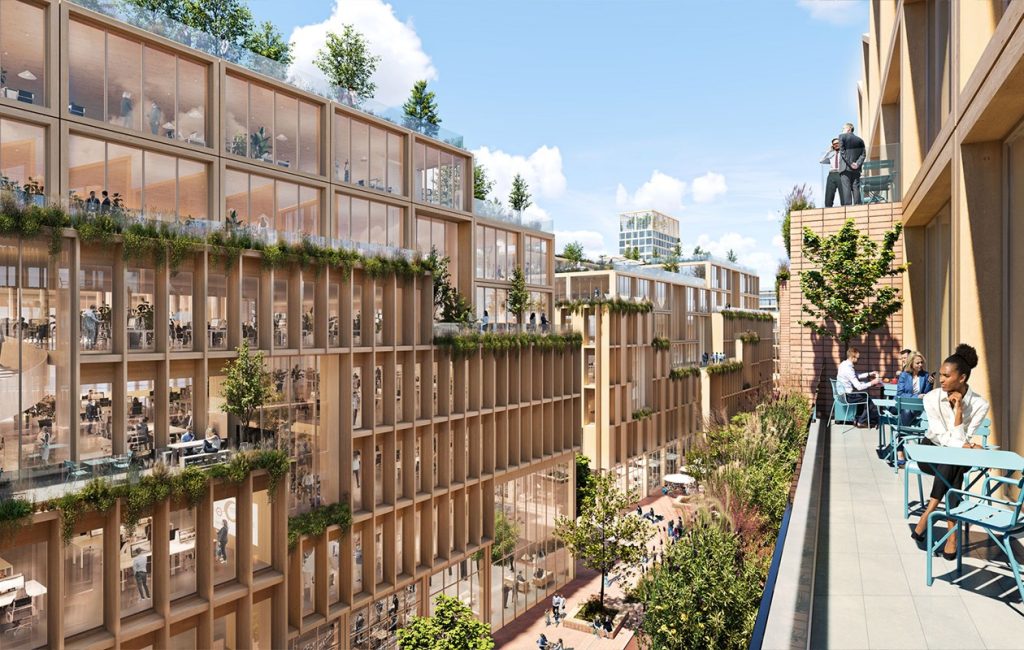
Even with these challenges, Stockholm Wood City represents a possible template for the future of urban development. It shows that entire districts can be designed around low-carbon materials, smart planning principles, and human-centred design. Instead of concrete-dominated neighbourhoods, cities can explore building materials that are renewable, climate-conscious, and comfortable to live in. If the project succeeds, it may influence how cities around the world approach sustainability and urban growth in the years ahead.
Images courtesy of Atrium Ljungberg.