
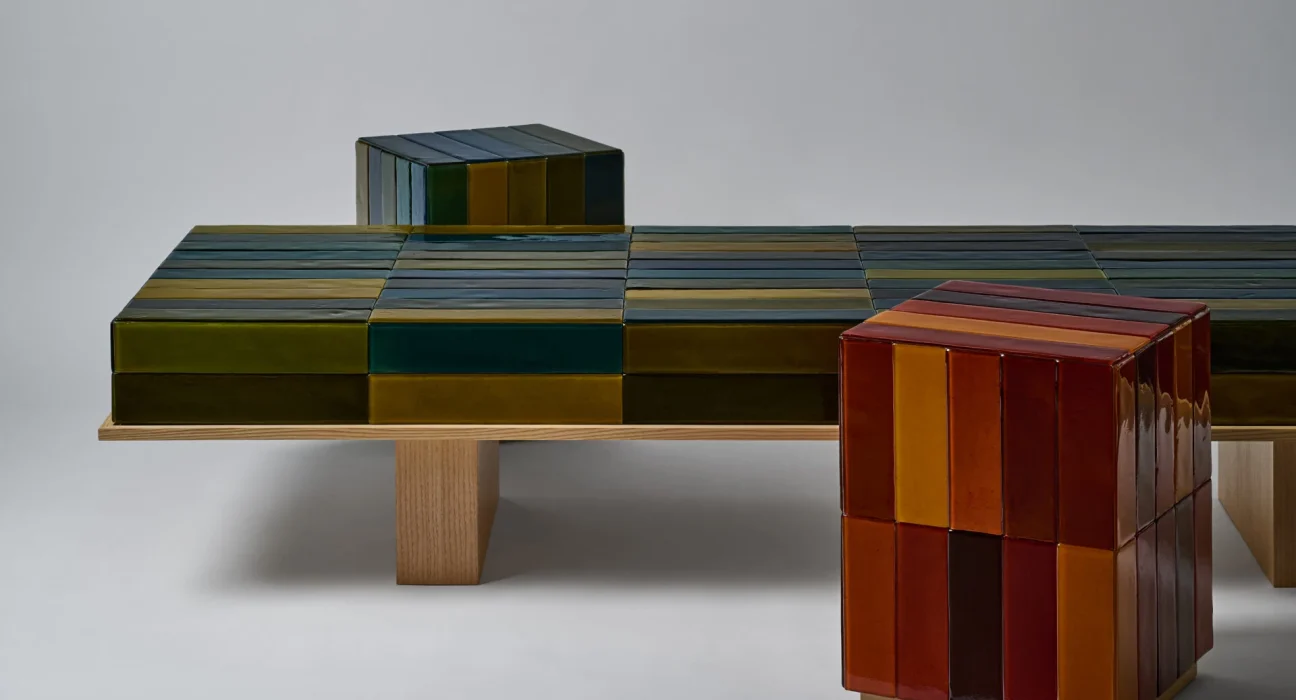
In Tokyo, the design studio we+ is redefining how sustainability meets creativity. Founded by Toshiya Hayashi and Hokuto Ando, the studio focuses on research-driven design that reimagines overlooked materials and explores new ways for humans to coexist with nature. Their project SO‑Colored exemplifies this vision, transforming micro‑algae into vibrant, eco-friendly materials.
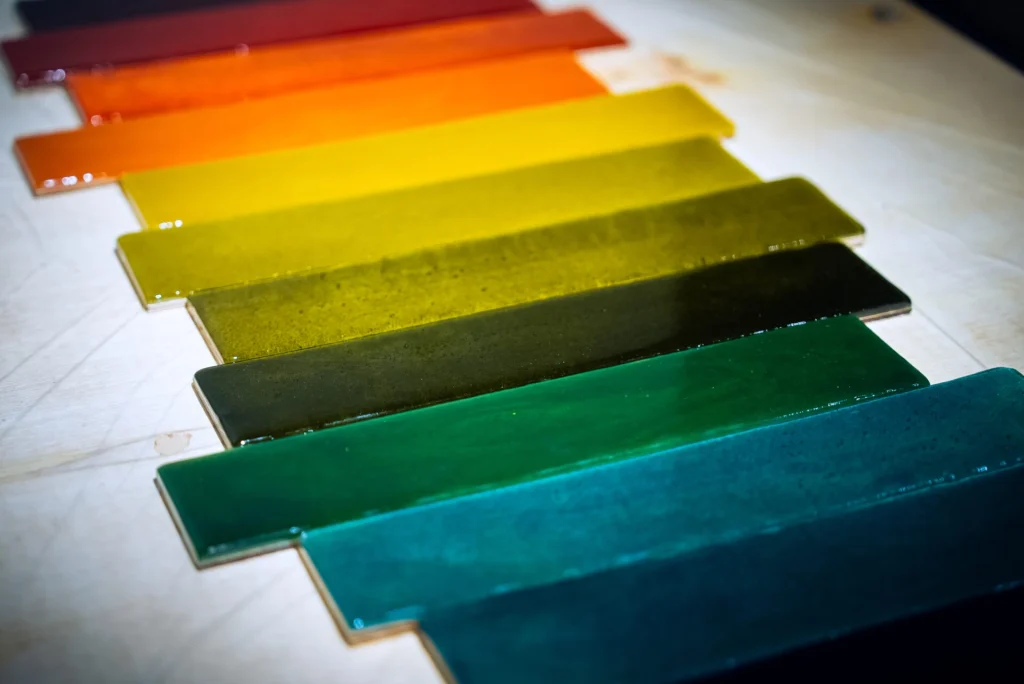
Micro‑algae are tiny photosynthetic organisms found worldwide. While commonly associated with green pigments, they can naturally produce reds, yellows, and blues under different growth conditions. SO‑Colored harnesses these pigments and blends them with naturally derived resins, creating a material that can be shaped, textured, and colored without using synthetic dyes.
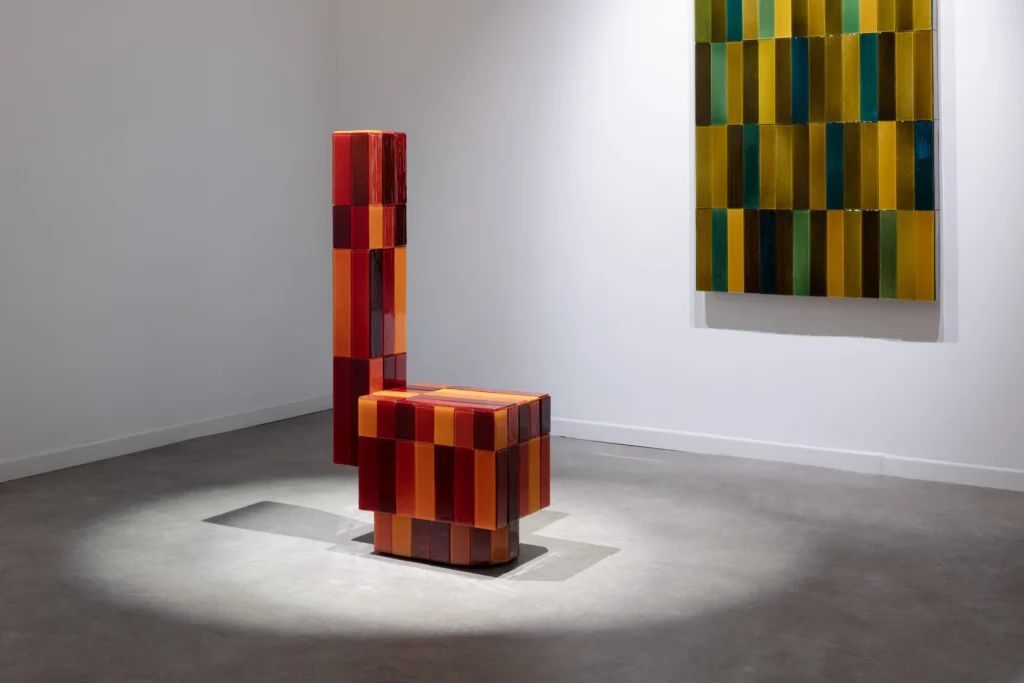
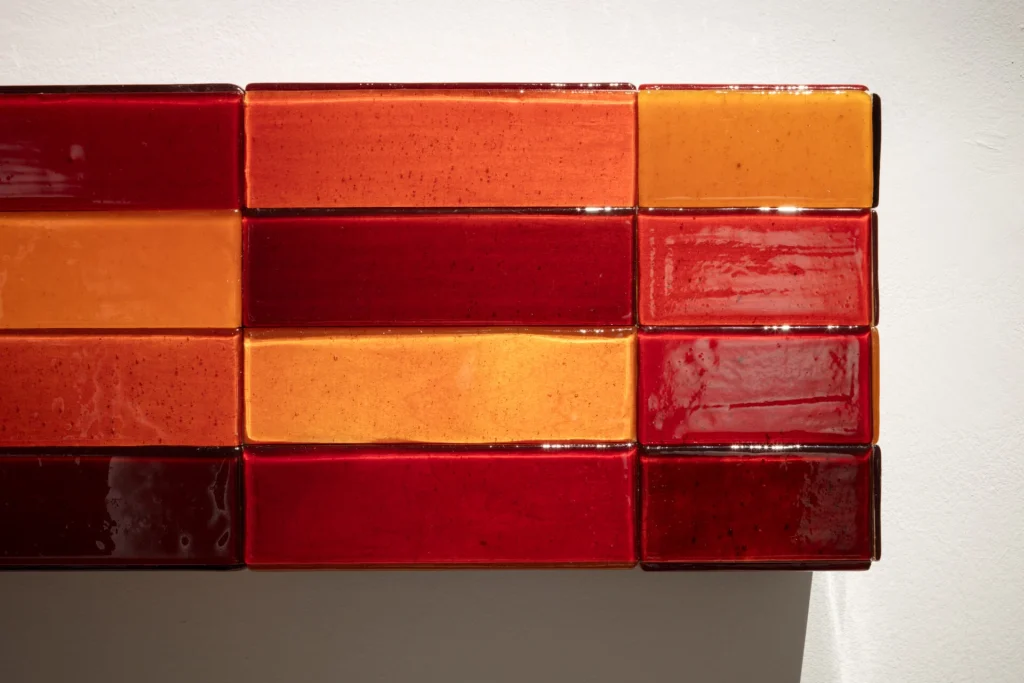

A New Approach to Colour
Traditional synthetic dyes require fossil fuels and often generate chemical waste. SO‑Colored offers a renewable alternative. By cultivating micro‑algae, we+ taps into a living resource with minimal environmental impact. Each pigment is generated sustainably, demonstrating that design materials can be both beautiful and responsible.
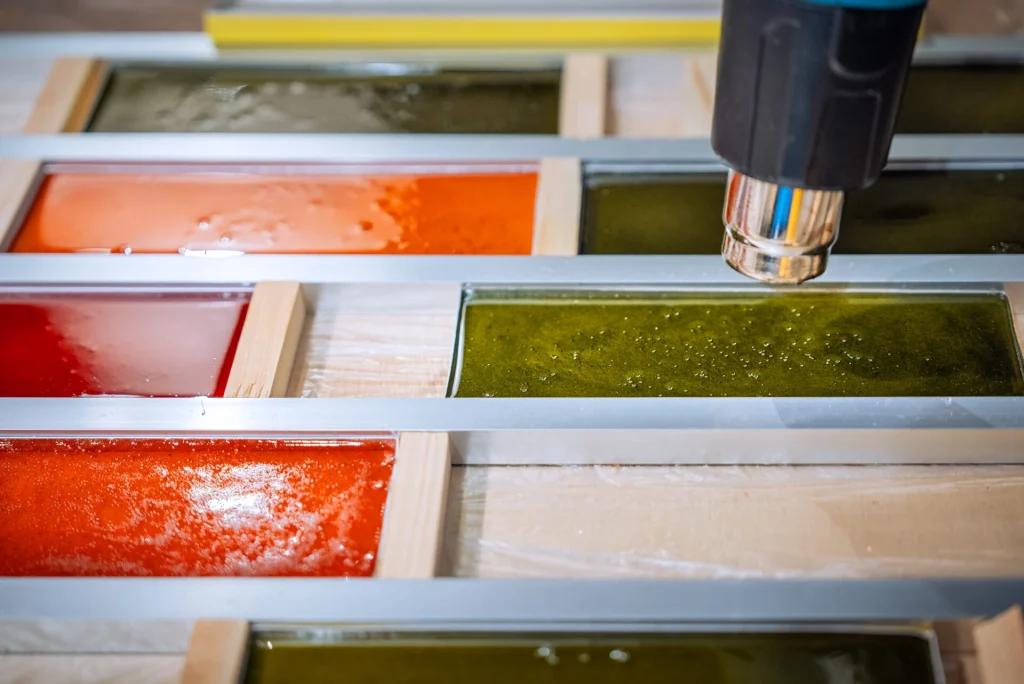
Science Meets Design
The strength of we+ lies in the integration of scientific research with design exploration. The studio collaborated with biologists and material scientists to understand pigment behavior in various resins. Experiments with transparency, texture, and color intensity resulted in materials that are visually striking while maintaining a low ecological footprint.
SO‑Colored encourages designers to think differently about materials. Instead of industrially produced pigments, they can experiment with living, renewable sources that offer both aesthetic and environmental benefits. we+ demonstrates that sustainability can be embedded from the earliest stages of design, influencing both material choice and creative process.
Beyond Materials: A Vision for Design
SO‑Colored is not just a material project. It is a reflection of we+’s mission: to merge innovation with ecology and to inspire a new generation of designers. By showing the potential of micro‑algae, the studio opens a dialogue about how natural resources can shape the future of design. Sustainability, they show, does not require compromise. It can fuel creativity, aesthetics, and functional innovation.
Images courtesy of we+.