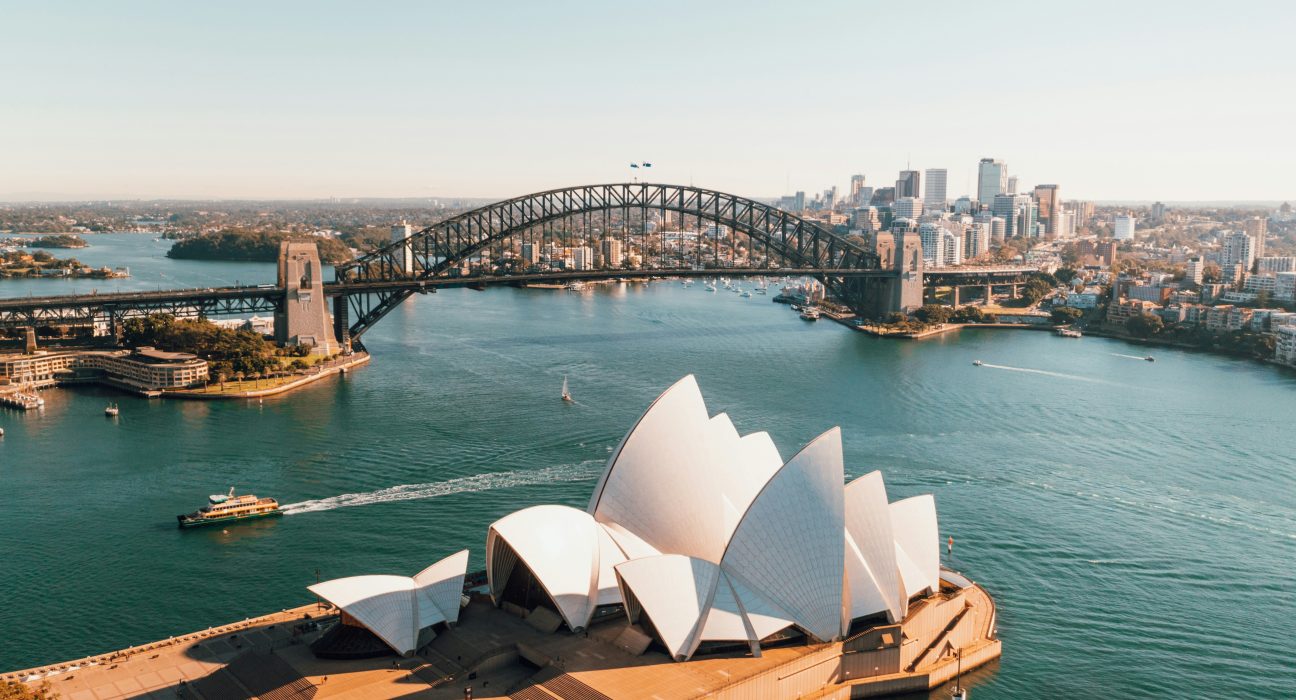
Australia is set to give millions of households a few hours of free electricity every day. The federal government has unveiled a new retail-energy initiative called Solar Sharer. Starting in July 2026, electricity providers will be required to offer “zero-cost” power for at least three hours each midday in certain regions. That means even if your home doesn’t have solar panels, you could still tap into free solar-generated electricity.
The first rollout will cover homes in New South Wales (NSW), South Australia (SA), and south-east Queensland. The plan may expand to other states by 2027. To benefit, households will need a “smart meter” and must opt into the offer.
Why is Australia doing this now? The country has built up massive rooftop and utility-scale solar capacity. During sunny mid-day hours, solar generation often exceeds demand, driving wholesale power prices down and sometimes even negative. The Solar Sharer program aims to absorb this surplus and give households an incentive to shift energy-intensive tasks (like laundry, air-conditioning, EV charging) into the sunny window.
Supporters say the scheme will help households save money, reduce strain on the grid during the evening peak, and make fuller use of the country’s abundant solar power. Government officials also highlight that renters and people without rooftop panels will finally be able to benefit, making the transition to renewable energy more inclusive.
There are still open questions. The “free hours” aren’t automatic: households must have a smart meter and opt in. They also need to actually shift power use to the daytime window to take advantage. Critics warn that the shift may squeeze retailer margins, and some industry voices worry about long-term viability and unintended effects on the energy market.
If the Solar Sharer scheme works as planned, it could mark a turning point: widespread access to renewable electricity at minimal cost. It might also hint at a future where energy systems become more flexible and dynamic, using solar power when abundant, reducing waste, and benefiting broader society rather than only solar-panel owners.
This is not a small pilot. With over four million rooftop solar systems already in Australia and rapidly growing solar output, this policy could reshape how Australians, and perhaps other nations, think about electricity usage.
Sources:
ABC News
Australia’s Department of Climate Change, Energy, the Environment and Water