Residential buildings are often overlooked in discussions about energy-positive design. Individually, their impact seems small. Collectively, housing represents one of the largest sources of energy demand in cities.
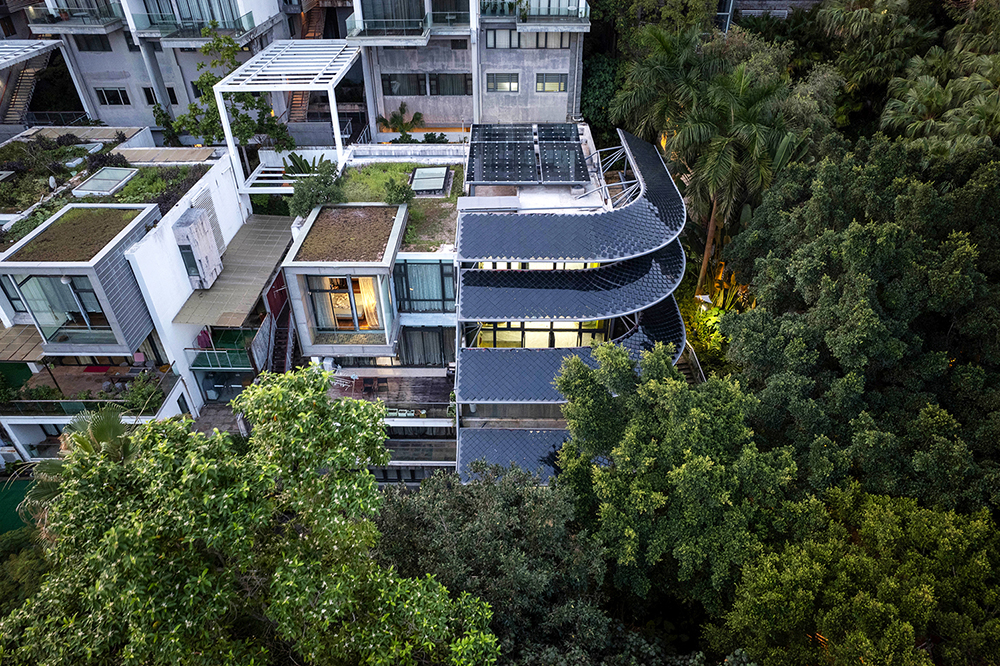
Completed in Shenzhen in 2024, the Positive Energy House by People’s Architecture Office shows how residential architecture can generate surplus energy through design-led integration, not technological excess.
Energy generation as architectural form
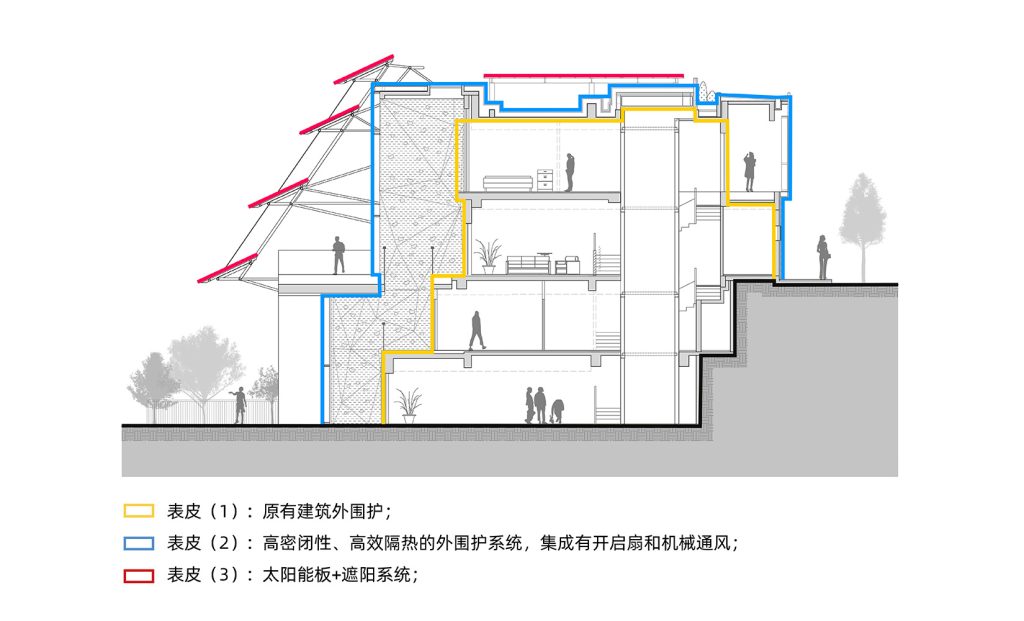
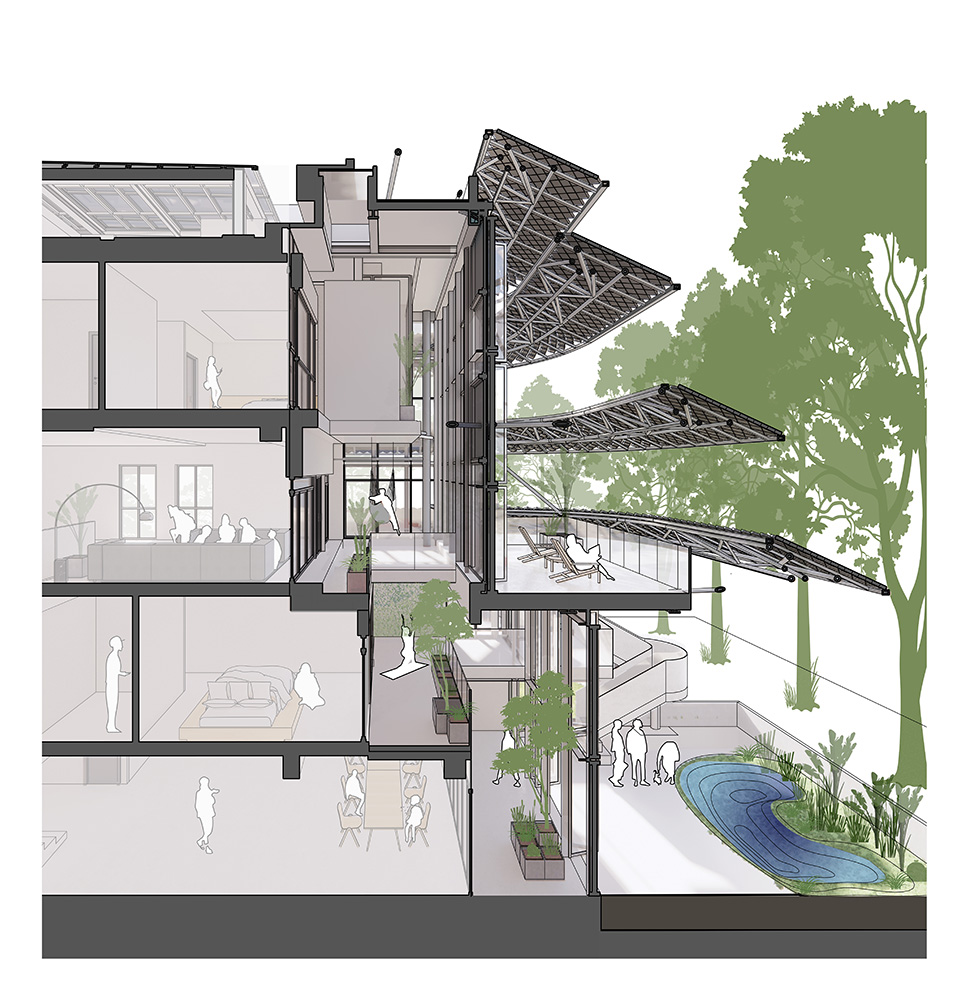
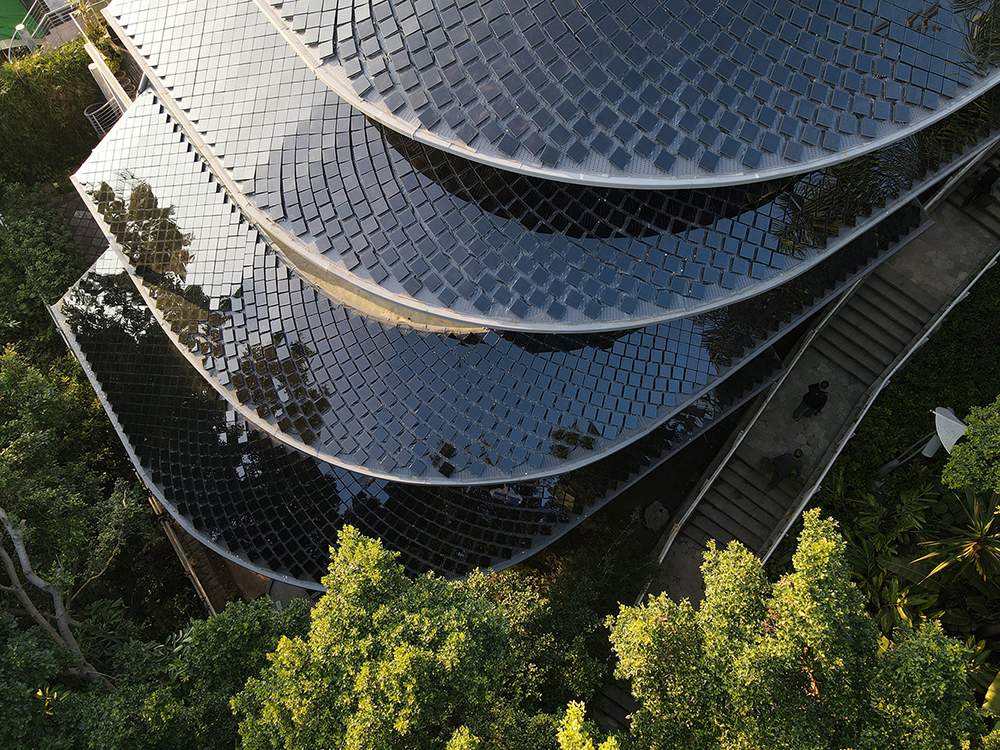
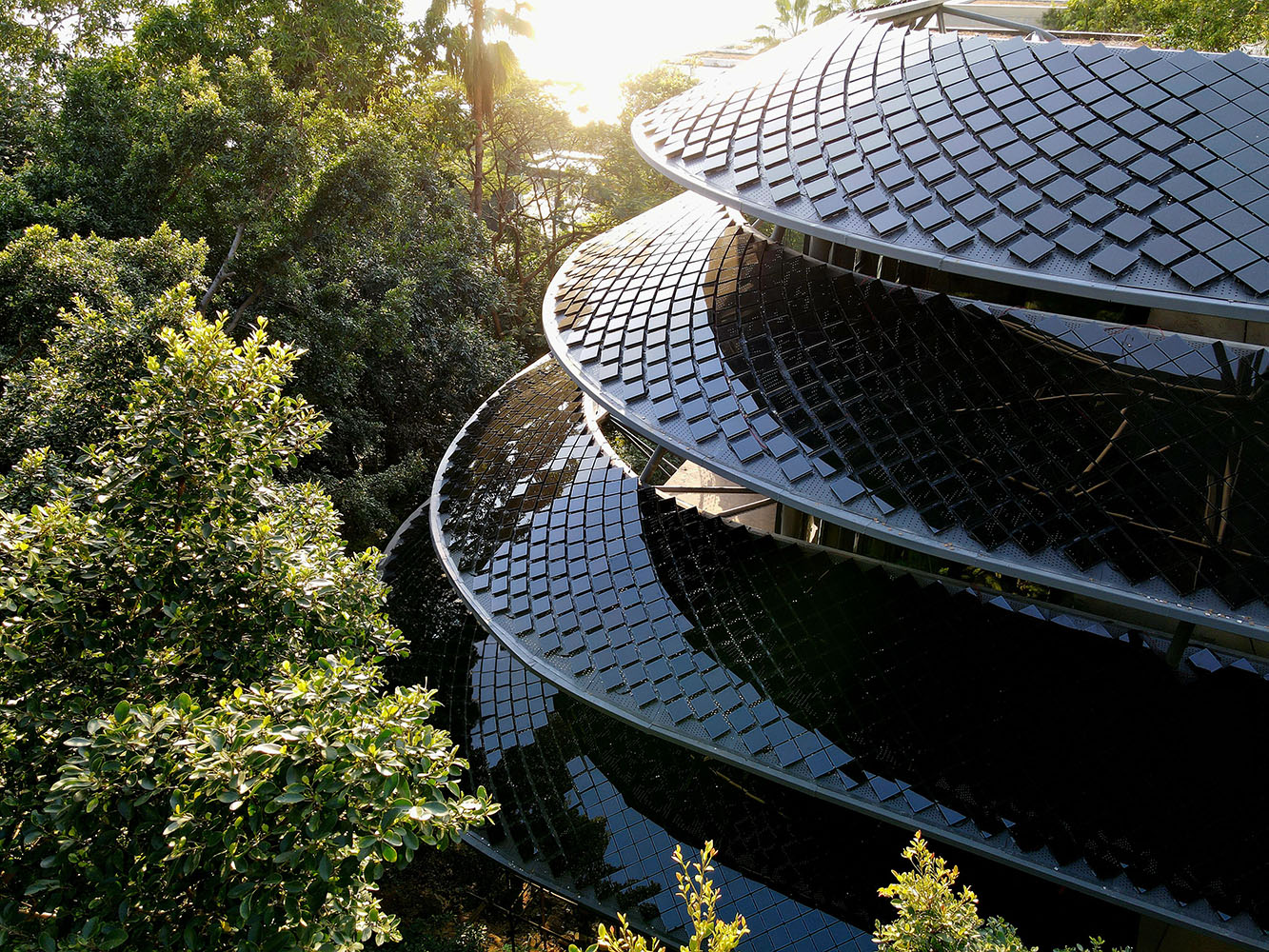
The defining feature of the house is its curvilinear solar roof. Rather than hiding photovoltaic panels on a flat surface, the roof geometry is shaped to optimise solar exposure while becoming the dominant architectural expression.
This approach avoids the common separation between design and engineering. Energy generation is not added after form-making. It defines the form.
Designing for climate before technology
Shenzhen’s hot and humid climate presents a challenge for energy-positive housing. Cooling demand can easily overwhelm on-site generation.
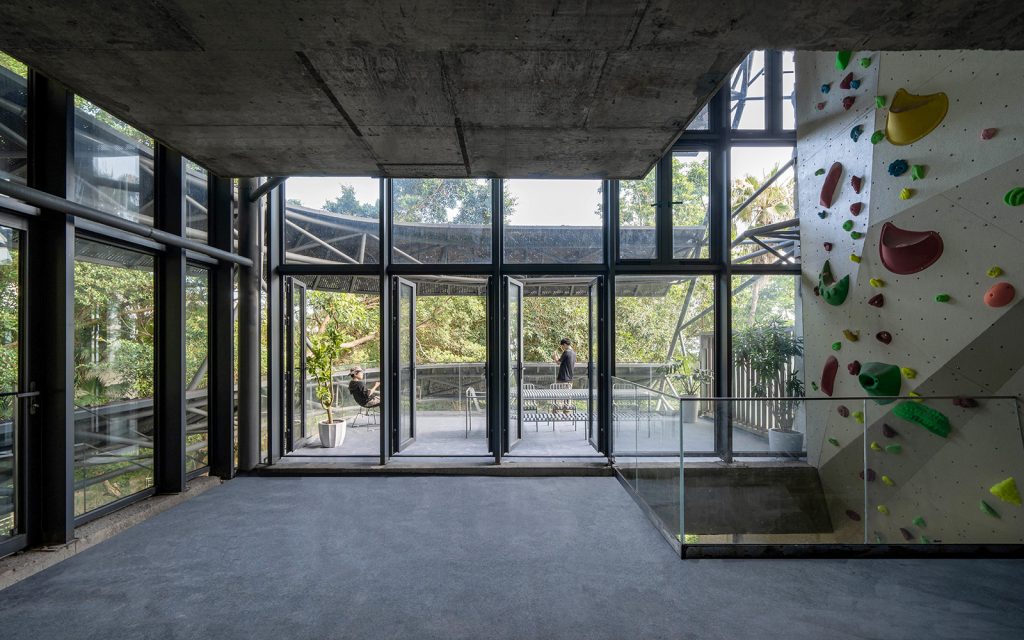
The project responds by reducing demand first. Shading, ventilation paths, and spatial organisation limit heat gain. Daylighting reduces reliance on artificial lighting. Only once baseline energy use is minimised does renewable generation take over.
This sequence explains why the project succeeds where many residential net-zero claims fail.
Why small buildings matter
While the Positive Energy House is not a high-rise or mass housing prototype, it demonstrates principles that can scale. Rooftops, façades, and courtyards represent underused energy assets in dense cities.
If replicated across neighbourhoods, residential energy-positive strategies could support decentralised grids and reduce peak demand without large infrastructure investments.
Avoiding the performance gap
Many residential sustainability projects perform well on paper but fail in operation. By keeping systems relatively simple and aligning them with daily use patterns, the Positive Energy House reduces this risk.
Its value lies not in novelty, but in clarity. It shows how architecture can do more with less.
Images courtesy of People’s Architecture Office.